
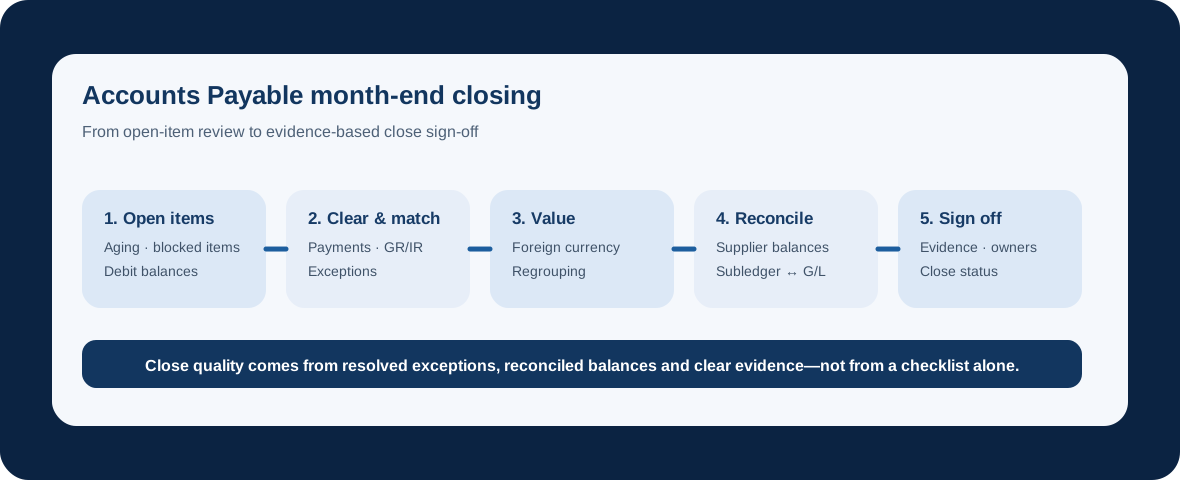
Accounts Payable month-end closing is the set of checks and period-end activities used to make supplier liabilities reliable for financial reporting. Teams review supplier open items, resolve or explain unmatched and blocked items, reconcile procurement-related balances such as GR/IR where relevant, perform required foreign-currency and balance-sheet classification steps, and retain evidence for unresolved exceptions and sign-off.
Open-item quality is the starting point
Supplier accounts are managed on an open-item basis, so unpaid or uncleared obligations remain visible until they are settled or cleared. At close, the goal is not to force every item to zero. The goal is to know which items are valid, which should have been cleared, which are disputed or blocked, and which need correction before reporting.
Ageing tells you where to investigate
Ageing analysis helps identify long-outstanding invoices, unusual debit balances, overdue items and transactions that may need owner follow-up. Aged items are signals, not automatic errors. The close team should distinguish genuine liabilities from duplicate, misposted or unresolved transactions and document what remains open.
Clearing must reflect real settlement
Automatic or manual clearing is appropriate only when the underlying items actually offset. SAP documentation explains that clearing groups open items according to defined criteria and creates the clearing relationship when the balance is resolved. Closing pressure is not a reason to clear items that still represent a real liability.
GR/IR and procurement exceptions can affect AP confidence
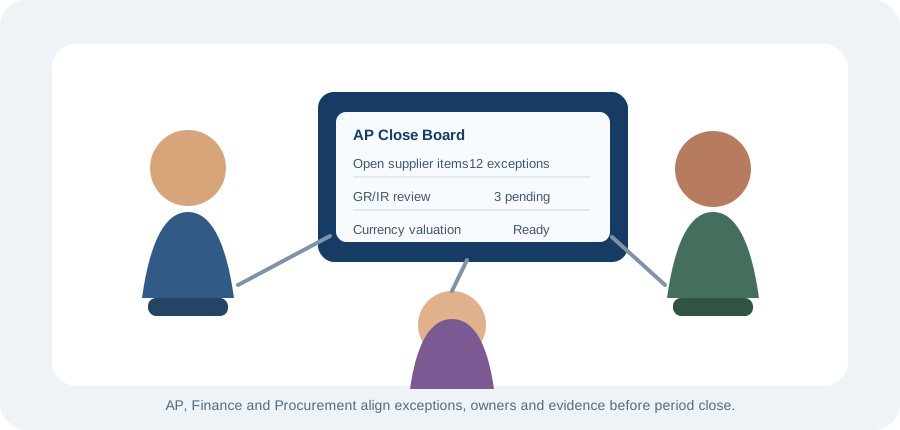
When goods receipts and invoice receipts do not align, the difference may point to timing, quantity, price or process exceptions. The AP close should make sure material unresolved GR/IR items are understood and routed to the correct owner rather than hidden inside aggregate balances.
Foreign-currency liabilities need period-end treatment
Supplier invoices denominated in foreign currency can require period-end valuation so the local-currency carrying amount reflects the reporting-date exchange rate under the configured accounting approach. The valuation result belongs to the period close, while settlement differences can arise later when the liability is paid.
Balance-sheet presentation can require regrouping
SAP learning material for payables close includes regrouping receivables and payables, including cases such as supplier debit balances and maturity-based presentation. The purpose is accurate financial-statement classification, not changing the underlying commercial relationship.
Reconciliation makes the subledger usable for reporting
A close should leave finance able to explain supplier balances and their relationship to the general ledger. That means investigating unexpected totals, clearing-account issues, posting-period mistakes and major unexplained movements rather than relying only on a system total.
Close evidence matters as much as the task list
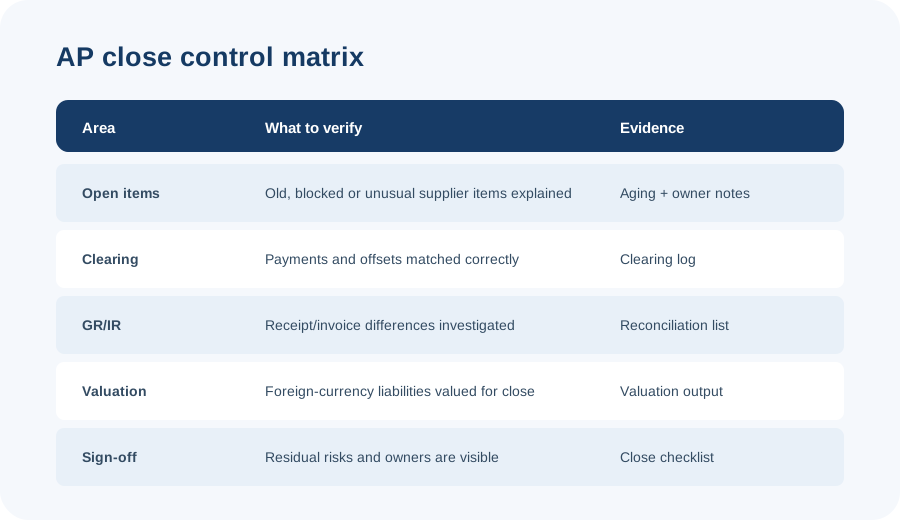
A mature close identifies the owner, status and evidence for each important exception. Items that remain unresolved should carry a clear business explanation, quantified impact where relevant and an agreed next action. This creates a defensible close rather than a collection of completed checkboxes.
Consultant thinking: design for exception visibility
The strongest AP close process does not assume that every period will be clean. It makes exceptions easy to detect, routes them to the right owner, distinguishes true liabilities from process noise and preserves enough evidence for finance leaders to make a confident sign-off decision.
Continue with Vendor Ageing Analysis, Vendor Account Clearing, GR/IR Relationship from an AP Perspective, Foreign Currency Supplier Invoices, and the SAP FI / FICO hub.