
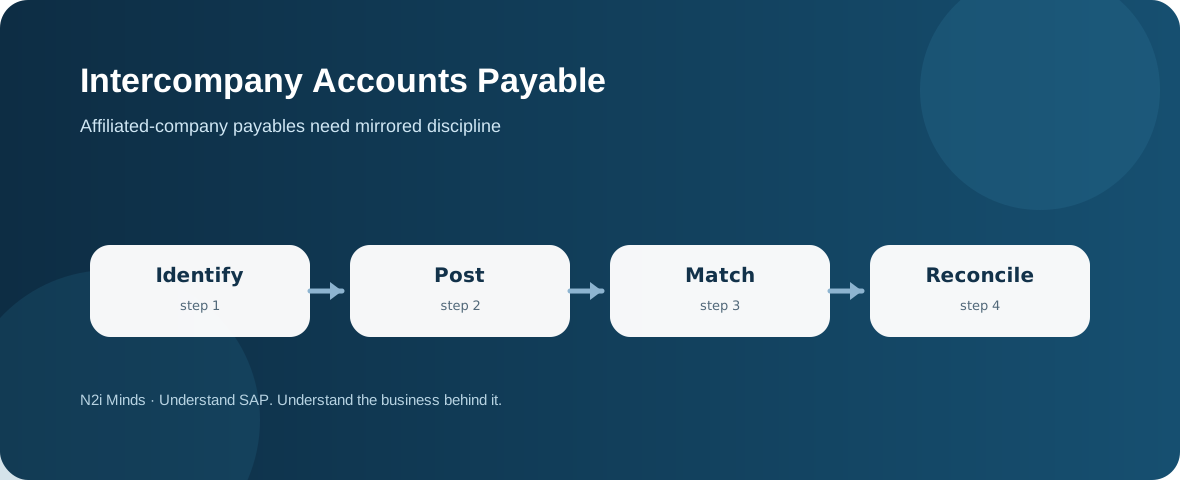
Intercompany Accounts Payable is the payable side of transactions between affiliated companies in the same corporate group. The local entity records a supplier liability, while reliable counterparty identification and reconciliation help the group match that payable against the corresponding intercompany receivable.
The supplier may also be a group company
When one legal entity buys goods or services from another entity in the same group, the buying company can have a supplier account representing the affiliated company. SAP documentation describes using a company or trading-partner identifier in supplier master data so intercompany relationships can be identified for consolidation and reconciliation.
Local AP controls still apply
The fact that the supplier is internal does not remove normal Accounts Payable responsibilities. The invoice still needs correct company code, amount, currency, tax treatment where applicable, due date, account assignment and approval. Payment arrangements may be centrally agreed, but the posting must still represent the legal entity’s obligation accurately.
Counterparty identification is essential
If affiliated-company master data is inconsistent, group reporting becomes harder because teams may not be able to determine which partner sits on the other side of a balance. Trading-partner or consolidation-company identifiers support that link from master data through posted line items and into reconciliation.
Why the two sides can disagree
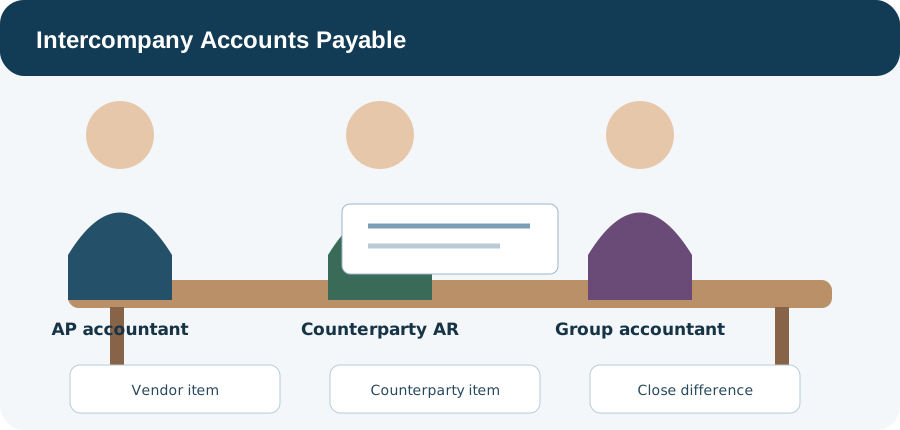
Differences can arise from timing, currency translation, posting to the wrong partner, credit memos, invoices recorded in one entity but not the other, or different treatment of fees and taxes. Teams need to identify the exact documents causing the difference and determine which side needs correction.
Reconciliation is part of close
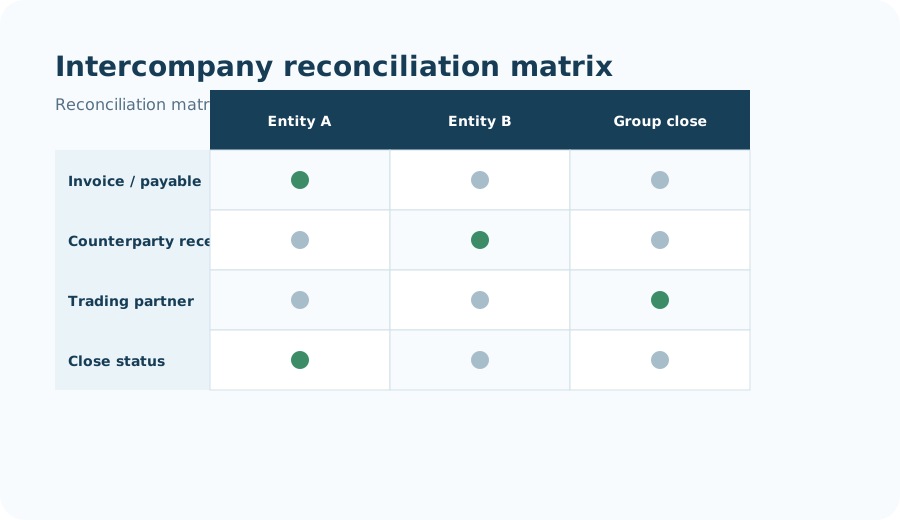
SAP intercompany reconciliation supports comparison of open items across associated companies, including customer and vendor open items. The payable in one entity should correspond to a receivable in the other, and reconciliation helps isolate unmatched documents before group close.
Consultant thinking: keep entity and group views distinct
At entity level, the payable remains a genuine liability until settled or cleared. At group level, related intercompany balances and results may need elimination in consolidation. Good design keeps both perspectives intact: accurate legal-entity postings first, consistent partner identification second, and disciplined reconciliation before consolidation.
Continue with Vendor Account Clearing, Vendor Ageing Analysis, GR/IR Relationship from an AP Perspective, and the SAP FI / FICO hub.