
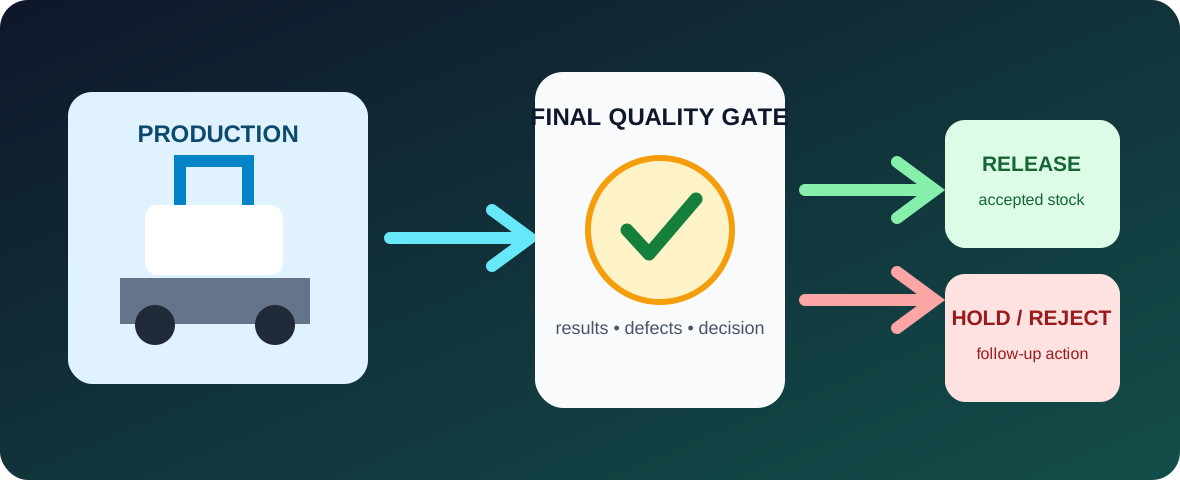
In SAP QM, a final inspection is the quality check performed at or after completion of production, using an inspection lot and defined inspection characteristics to record evidence about the finished output. The recorded results support the subsequent quality decision—typically through a usage decision or related disposition process—rather than relying on an informal visual sign-off.
Why a final inspection exists
Quality can be checked while production is running, but some requirements can only be confirmed on the completed product or completed batch. Dimensions may need a final measurement, packaging may need verification, documentation may need to be complete, or the finished quantity may need sampling against agreed specifications.
The final checkpoint reduces the risk that a product moves to unrestricted use, delivery or another downstream process without objective evidence that required checks were completed. It is therefore both an operational quality activity and a control over downstream movement.
How it relates to inspection lots
SAP QM uses inspection lots as the operational container for quality inspection. The lot connects the business trigger with inspection specifications, sample or quantity information, results, defects and the later quality decision. In production-related inspection scenarios, inspection lots can be created in connection with production processing depending on the configured inspection setup.
The exact trigger and stock effect depend on the inspection type and process design. Consultants should therefore avoid treating “final inspection” as one universal transaction sequence. The important design question is which business event creates the inspection requirement and what downstream movement is allowed before the quality decision is complete.
Final inspection versus in-process inspection
In-process inspection checks quality while manufacturing is still underway. It can help detect drift early, use inspection points for repeated checks and prevent additional value from being added to defective output. Final inspection instead concentrates on the completed result and the evidence needed before disposition.
Many manufacturing processes need both. In-process controls protect the process; final controls confirm the completed output. One should not automatically replace the other.
What results recording contributes
Inspection characteristics define what must be checked. Results recording captures what was actually observed or measured. Depending on the characteristic and setup, results may be quantitative, qualitative or valuation-oriented. Defects can be documented where nonconformities need separate analysis or follow-up.
This evidence matters because a later quality decision should be explainable. If a lot is accepted, a reviewer should be able to see the basis. If it is rejected or routed to rework, the organization should be able to trace the failed characteristics and resulting action.
Controls consultants should ask about
- Which production event creates the final inspection requirement?
- Which characteristics are mandatory before disposition?
- How is sampling determined, and is the sample representative of the finished quantity?
- What happens when a characteristic fails?
- Can stock or product move downstream before the quality decision, and should it?
- Who is authorized to record results and who can make the final usage decision?
- How are defects, rework and repeated failures fed back into process improvement?
The quality master-data foundation includes inspection plans, master inspection characteristics and sampling procedures. Understanding inspection lots is essential because the lot carries the inspection through results and disposition.
Key takeaway
Final inspection is a controlled evidence checkpoint, not merely the last quality activity on a routing. Its value comes from connecting the completed production output with defined inspection requirements, recorded results, defects where relevant and a defensible downstream decision.