
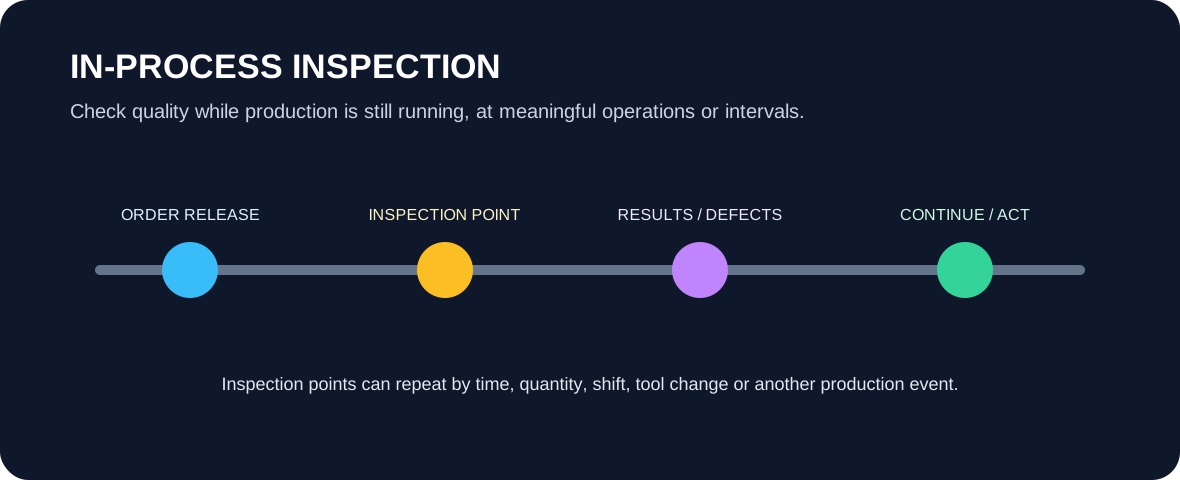
In SAP QM, an inspection during production can be triggered by release of a production or process order. When the required QM setup is active, SAP creates an inspection lot using inspection-relevant operations and characteristics from the production order. Inspection points can then support repeated checks by time, quantity or another production event, with results and defects recorded while work is still progressing.
Why inspect before production is finished?
A final inspection can tell a company whether finished output meets requirements, but it may discover problems only after additional material, machine time and labour have already been consumed. In-process inspection moves quality control closer to the point where the product is being made.
That makes it useful for characteristics that can drift during a run: dimensions, temperature, weight, colour, torque, concentration or other process-dependent measures. The business value is earlier detection and a clearer connection between a quality result and the production operation that produced it.
How SAP creates the inspection context
SAP Help describes inspection during production as inspection lot origin 03. QM must be active for the material, the relevant inspection type must be active, and inspection characteristics must be assigned to production-relevant operations when results are to be recorded. On order release, the system can create the inspection lot automatically and copy the relevant operations and characteristics into it.
A key distinction from many other inspection scenarios is that the inspection specification comes from the production order or process order. The routing, rate routing or master recipe therefore plays an important role in defining where the checks sit inside production.
Inspection points make repeated checks possible
One production operation may need more than one quality observation. Inspection points allow multiple result sets for the same operation. SAP supports intervals based on time, quantity or freely defined production events. A company might inspect every hour, every container, every shift or after a tool change.
What happens after results are recorded?
Quality teams can record characteristic results and defects for inspection points. Depending on process design, production can respond to deviations through rework, adjustment, segregation, additional checks or escalation. SAP also supports partial lots in relevant scenarios where produced quantities differ in quality.
SAP notes that an inspection lot for inspection during production is not stock relevant. That matters because the in-process inspection itself is not the same as a stock-posting decision at goods receipt. Teams should understand how in-process results, production confirmations, batch handling and later goods receipt fit together.
Consultant design questions
- Which operations genuinely need quality checks during production?
- Which characteristics signal process drift early enough to act?
- Should inspection points be time-, quantity- or event-based?
- What should happen operationally when a result is out of specification?
- Are results needed for batch classification, traceability or certificates?
- Who owns unresolved defects before the order can progress?
This topic builds on quality in production, inspection lots, master inspection characteristics and sampling procedures. Together they explain why the inspection is triggered, what is measured and how much is sampled.
Key takeaway
In-process inspection is most valuable when it gives production a chance to respond while the process is still controllable. SAP QM provides the inspection lot, characteristics and inspection-point structure; the business still has to define the right checks, cadence and response rules.