
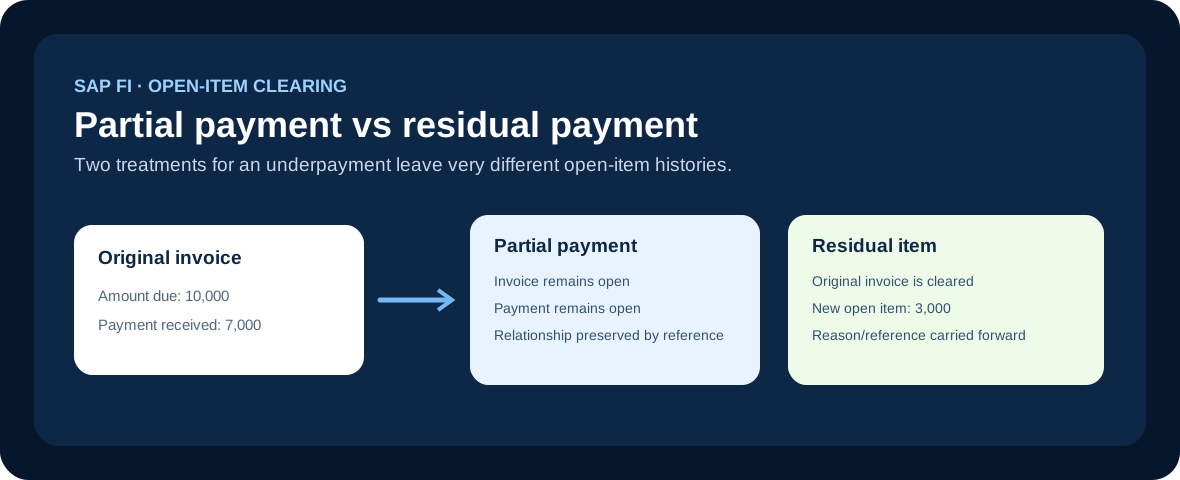
In SAP FI open-item clearing, a partial payment is posted as a separate item and does not clear the original receivable; both remain open and are linked by the invoice reference. A residual item instead clears the original receivable and creates a new open item for the unpaid difference. The choice changes the account history, ageing and follow-up view, so it should match the real business reason for the short payment.
The accounting history is the main difference
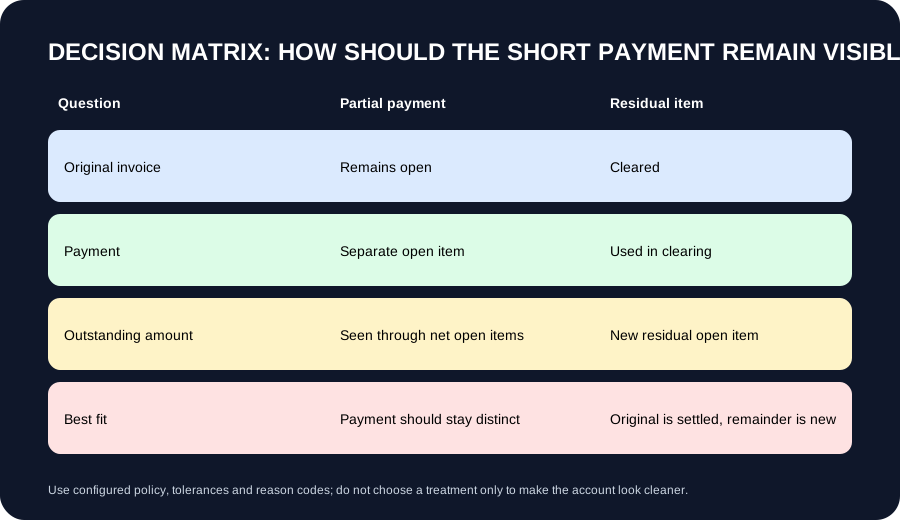
Suppose an invoice is 10,000 and only 7,000 is received. With a partial payment, the 10,000 invoice and the 7,000 payment remain visible as separate open items. With a residual item, the original invoice is cleared against the payment and a new 3,000 open item represents what remains due. SAP documentation describes these as different treatments of payment differences rather than interchangeable display choices.
Use partial payment when the incoming amount should remain distinct
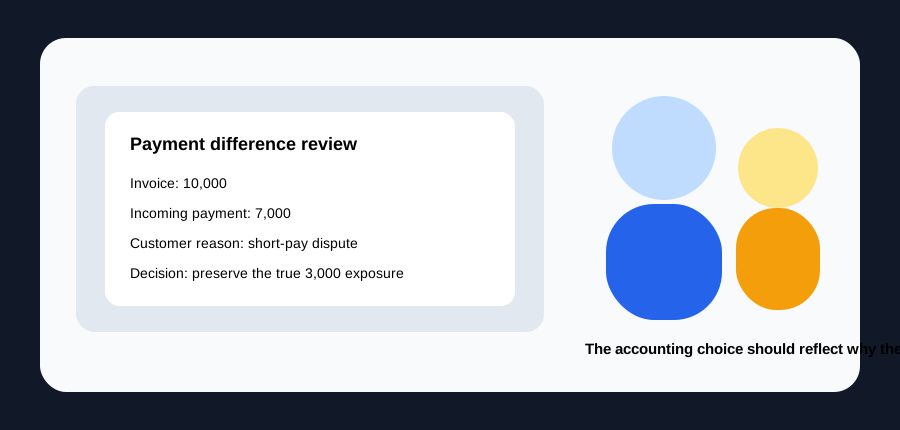
A partial payment can be useful when the business wants to preserve the original invoice as open and keep the payment visible as a separate item. That can make sense while a dispute is unresolved, when instalments are expected, or when the organisation deliberately wants the invoice and received amount to remain separately traceable. The open-item picture is therefore more detailed, but downstream ageing and collection interpretation must account for both items.
Use a residual item when the original invoice is considered settled
A residual item is appropriate when the original invoice should be treated as cleared but a remaining amount is still genuinely due. SAP clears the original item and posts a new residual open item for the difference, with reference information and reason-code handling where configured. The new item can then follow its own dunning, ageing or follow-up path.
Tolerances and reason codes still matter
Not every difference should become a partial payment or residual item. Small differences may be handled within configured tolerances, while other differences require a reason code or investigation. A bank fee, pricing dispute, short delivery, deduction or posting error has a different business meaning. Finance teams should make the treatment explainable from supporting evidence and configured policy.
Consultant questions before configuring or changing the process
Ask how collectors and AP/AR teams want to see open exposure, which differences can be tolerated, which reason codes drive accounting or follow-up, whether residual items inherit references needed for collections, and how reporting interprets partial payments. A design that is technically valid can still create operational confusion if ageing, dunning and reconciliation users expect a different open-item history.
Continue with Vendor Account Clearing, Automatic and Manual Clearing, and the SAP FI / FICO hub.