
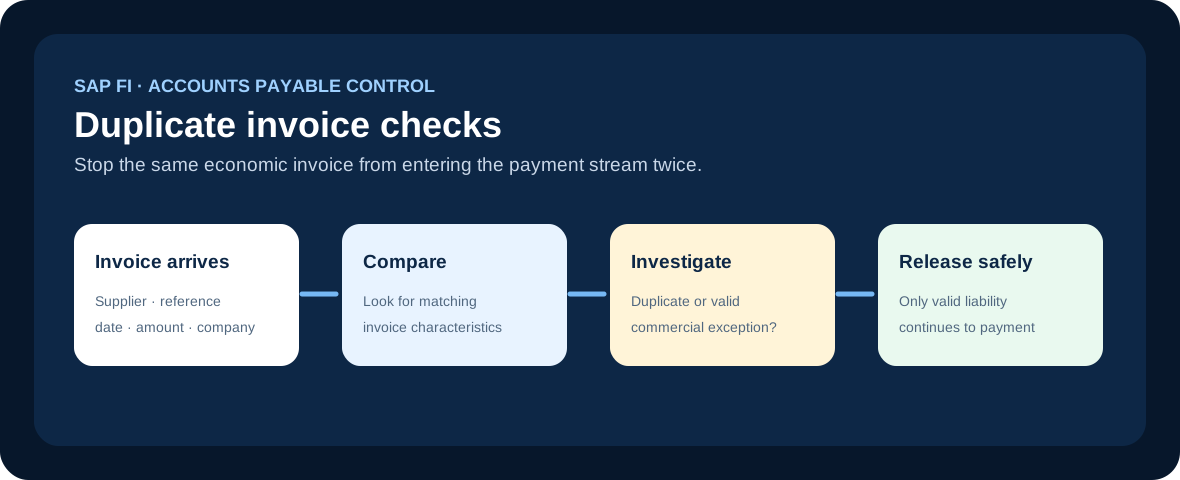
Duplicate invoice checking is a preventive Accounts Payable control. SAP can compare characteristics of a newly entered invoice with earlier supplier documents and warn or stop processing when the combination looks like a repeat. The exact criteria depend on the invoicing process and configuration, so a match is a signal to investigate rather than proof that two documents are economically identical.
Why the control exists
A supplier can resend an invoice, an operator can enter the same document twice, or an interface can deliver a repeated record. Without a preventive check, the organisation can record the liability twice and potentially pay twice. Duplicate controls therefore sit early in invoice processing, before payment selection becomes the last line of defence.
Matching relies on invoice attributes, not intuition
SAP documentation for FI duplicate checking describes comparisons involving supplier, company code, currency, gross amount, reference document number and invoice date. Other supplier-invoice processes and assurance content use related combinations such as supplier, reference, amount and company information. Good reference data therefore matters: inconsistent invoice numbers or data-entry conventions can weaken automated comparison.
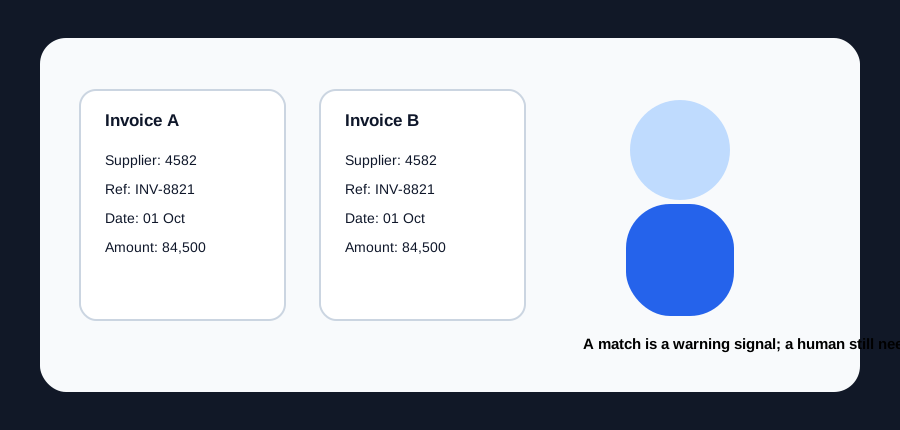
False positives and false negatives both matter
Two invoices can legitimately share similar amounts, and recurring supplier charges may look alike. Conversely, a real duplicate can escape a simple rule if the reference was typed differently or the date changed. Organisations should combine system checks with disciplined invoice capture, supplier master governance and exception review instead of assuming one technical rule catches every duplicate.
Supplier master and process settings can strengthen or weaken the control
SAP assurance content identifies suppliers where duplicate-invoice checking is disabled as a control concern. Master-data design is therefore part of the control environment, not separate housekeeping. Teams should know which suppliers and invoice channels are subject to checking and why any exclusions exist.
Consultant questions for a reliable design
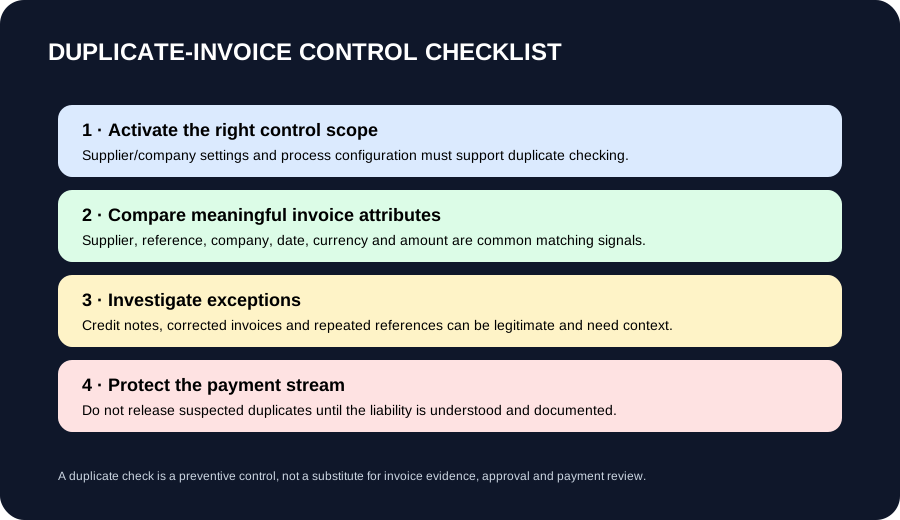
Ask which invoice channels feed SAP, which fields are trusted, how supplier invoice numbers are normalized, what happens when a potential duplicate is detected, who can override the warning, and whether payment controls provide a second review. Also test legitimate edge cases such as credit memos, corrected invoices and repeated service billing so the control does not encourage users to work around it.
Continue with Vendor Invoice Posting Lifecycle, Vendor Account Clearing, Automatic Payment Program, and the SAP FI / FICO hub.