
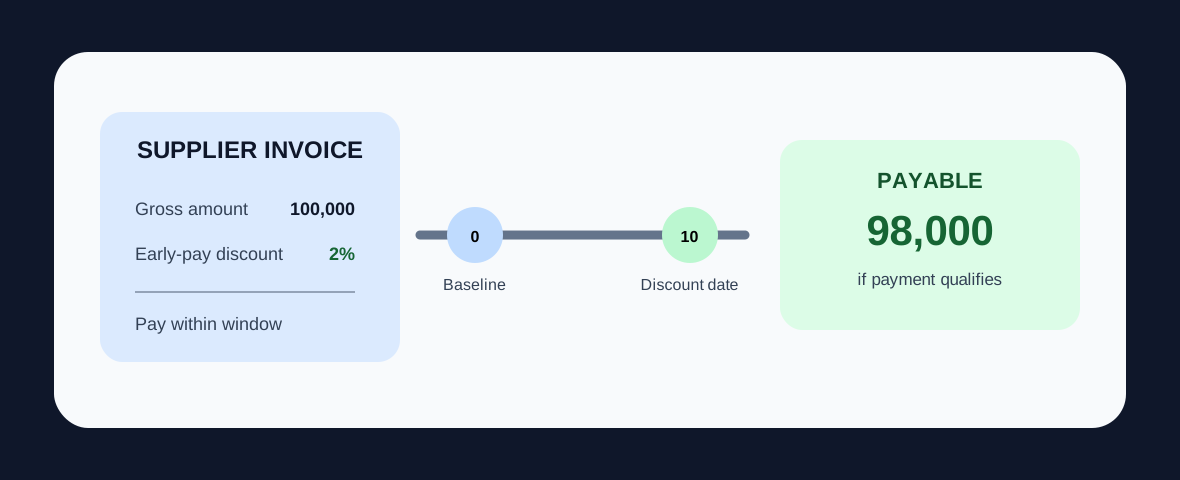
In SAP FI, cash discount processing uses the payment terms and baseline date on an open item to determine whether a payment falls within a discount window and how much discount is allowed. The payment transaction then clears the payable for the correct amount and records the discount according to the configured accounting treatment.
Where the discount rule comes from
SAP payment terms can define a baseline date, one or more discount periods and percentage rates, plus the final net due date. Terms may default from Business Partner master data or be entered in the transaction. That makes the invoice terms part of both commercial control and accounting execution.
Why AP teams care
An early-payment discount is valuable only when the business pays inside the eligible period and the invoice is otherwise valid for payment. AP teams therefore need reliable invoice dates, payment terms, blocks and payment-run timing. A wrong baseline date or term can cause a discount to be missed or taken incorrectly.
What happens at payment
The payment process evaluates the open item against its payment conditions. If payment occurs within an eligible discount period, the payable is cleared using the discount amount permitted by the terms. The exact accounts used for discount postings depend on configuration and business requirements.
Consultant checks
Test the term definition, baseline-date rule, payment-run date, blocked invoices, partial payments, credit memos and period-end scenarios. Confirm that the calculated discount agrees with the commercial agreement and that accounting postings are understandable to Finance.
Continue with Payment Terms and Baseline Dates, Vendor Invoice Posting Lifecycle and the SAP FI / FICO hub.