
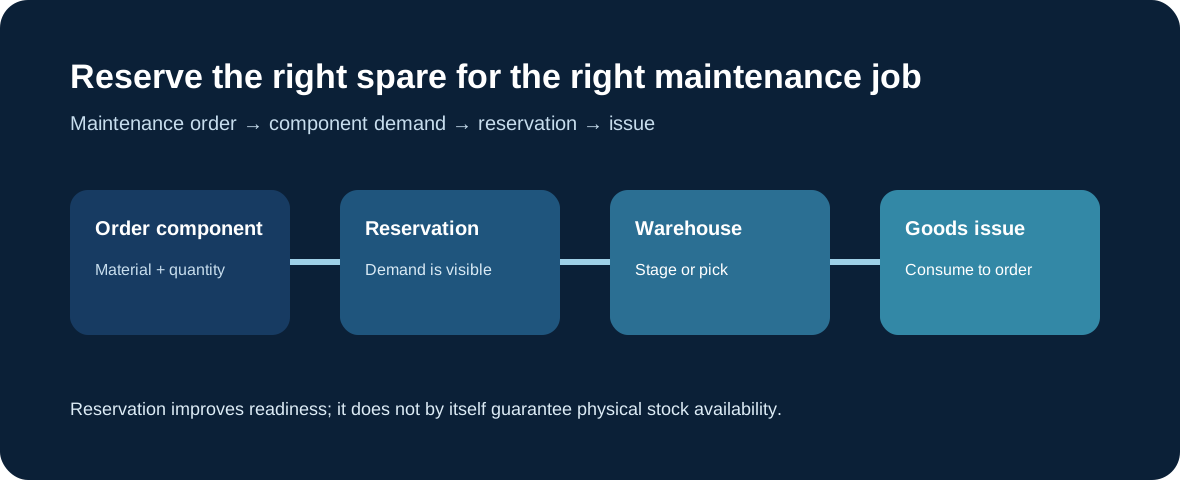
When a stock component is planned for a maintenance order, the requirement can be represented as reserved material for that order. The reservation makes quantity, timing and order demand visible to materials and warehouse processes so the part can be staged or issued when maintenance is executed.
Why maintenance needs reservations
A maintenance order may be perfectly scheduled but still fail at execution if a bearing, seal, filter or other spare is unavailable. Component planning therefore links technical work to material readiness. SAP maintenance documentation supports stock and non-stock components on orders, while maintenance BOMs help planners identify the spares associated with a technical object.
Reservation is demand visibility, not a promise of stock
The reservation tells the organisation that a material is required for a specific job and quantity. It does not create physical inventory. Availability can still be affected by stock levels, other demand, storage location, timing and replenishment. Good planners distinguish reserved in the system from ready at the point of work.

What happens around the reservation
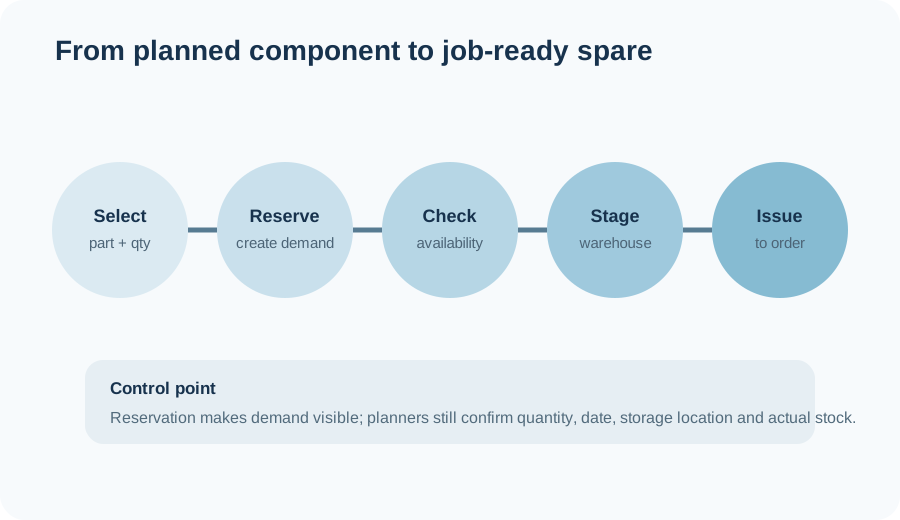
The order identifies the component and required quantity. Materials planning and warehouse processes can then see the demand, check availability, stage the part and issue it to the maintenance order. In integrated warehouse scenarios, SAP also carries maintenance-order and reservation references into the supply process.
Control questions before release
Check whether the correct material and quantity were selected, whether the requirement date aligns with the operation, whether the storage location is practical, whether substitutes are acceptable, and whether critical spares are actually available. For expensive or scarce parts, early visibility can be more valuable than the reservation document itself.
Consultant thinking: connect maintenance and materials
Do not design the process from only the maintenance planner's screen. Follow the component through reservation, warehouse handling, issue and consumption. The important question is whether the end-to-end process gives technicians confidence that the required part will be available when work starts.
Continue with Maintenance Orders, Order Planning and Release, Maintenance Notifications, and the SAP EAM / PM hub.