
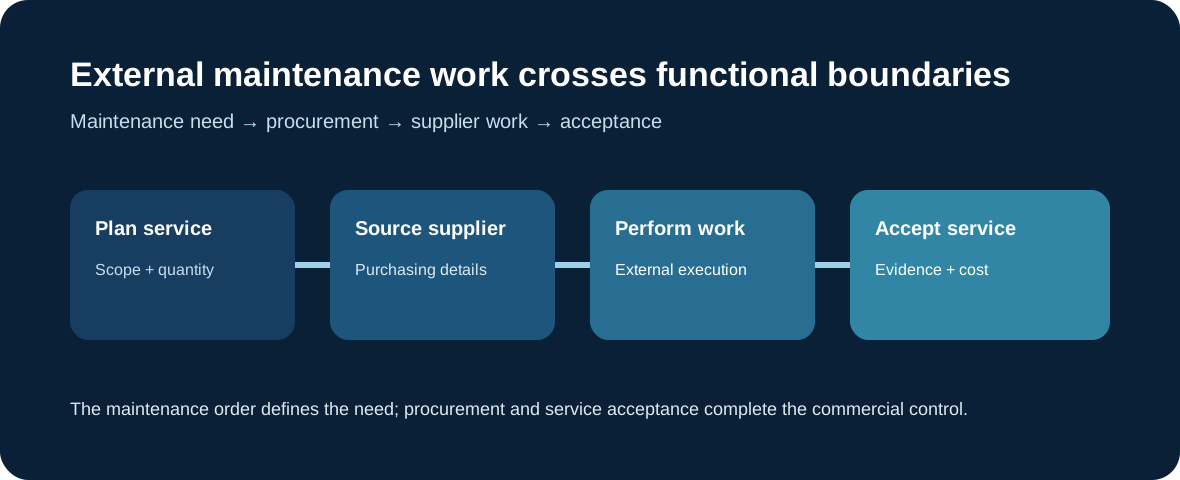
External services in maintenance are used when work on a maintenance requirement is performed by an outside supplier rather than only by internal labor. The maintenance order defines the technical need, while purchasing data, supplier engagement, service execution and acceptance connect that need to the procurement and commercial process.
Why external services belong in the maintenance plan
Some jobs need specialist inspection, calibration, lifting, machining, cleaning or other services that are not provided internally. Planning the service on the maintenance order keeps the external work tied to the technical object, job scope, dates and cost context instead of treating procurement as an unrelated activity.
A service requirement is different from a stock component
A material component represents a physical item that can be reserved, staged and issued. An external service represents work to be purchased and performed. SAP maintenance documentation supports planning services on maintenance orders and carrying purchasing details into procurement, so the technical scope and commercial follow-up can remain connected.
Purchasing data turns the technical need into a sourceable requirement
Depending on the process, planners and buyers need information such as purchasing organization or group, material group, account assignment and supplier-related details. The aim is not to burden maintenance with procurement administration, but to make the requirement complete enough for sourcing and execution without losing the link to the maintenance order.
Acceptance is a control point, not paperwork
Payment should follow evidence that the agreed service was actually delivered. The person responsible for the maintenance outcome therefore needs a clear way to confirm scope, quantity, quality or completion before the commercial process is treated as finished. Ambiguous acceptance criteria are a common source of disputes and delayed closure.
Consultant thinking: design the handoffs
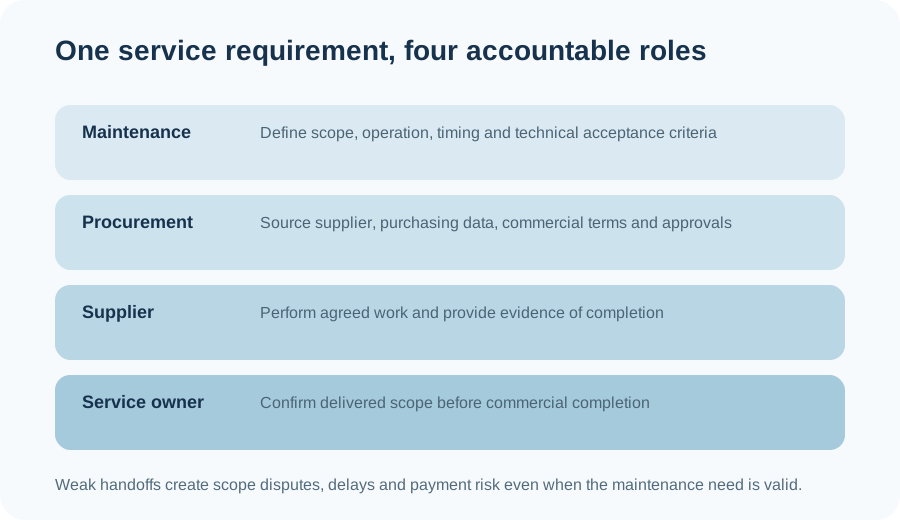
Walk the scenario across maintenance, procurement, supplier execution and acceptance. Ask who defines the scope, who can change it, how the supplier is selected, how the service is confirmed, what evidence supports acceptance and how exceptions return to the right owner. A technically correct order can still fail if these cross-functional handoffs are weak.
Continue with Maintenance Orders, Order Planning and Release, Spare-Parts Reservation for Maintenance, and the SAP EAM / PM hub.