
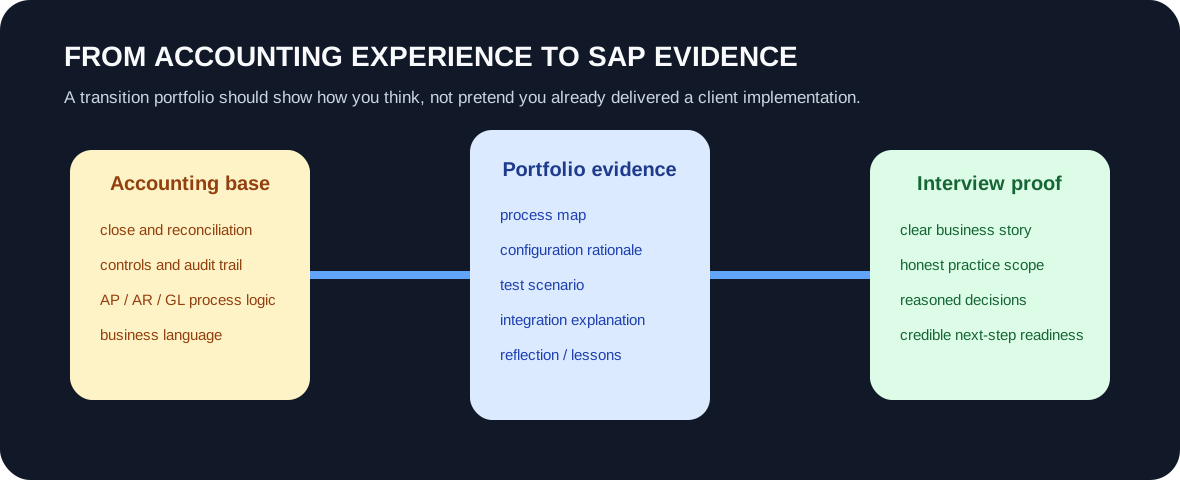
Build a transition portfolio around a few realistic finance scenarios you can explain end to end. Show the business event, accounting impact, relevant SAP objects, controls, test cases and expected outcomes. Label everything honestly as self-created learning or simulation work.
Start with accounting problems you understand
Use scenarios such as supplier invoices, month-end close, receivables, fixed assets or accruals, then add the SAP layer: master data, organizational scope, posting logic, integration and testing.
Use artifacts that show consultant thinking
Useful artifacts include a process map, posting-impact table, requirement list, risk-control matrix, test scenario pack and traceability table. Explain why the process works as it does instead of copying configuration steps.
Keep the evidence honest
Do not present practice work as client delivery or production experience. Use labels such as self-created case study, training-system exercise or process simulation.
Review best-fit SAP paths, transferable accounting skills, skills gaps to close, and the Careers hub.