
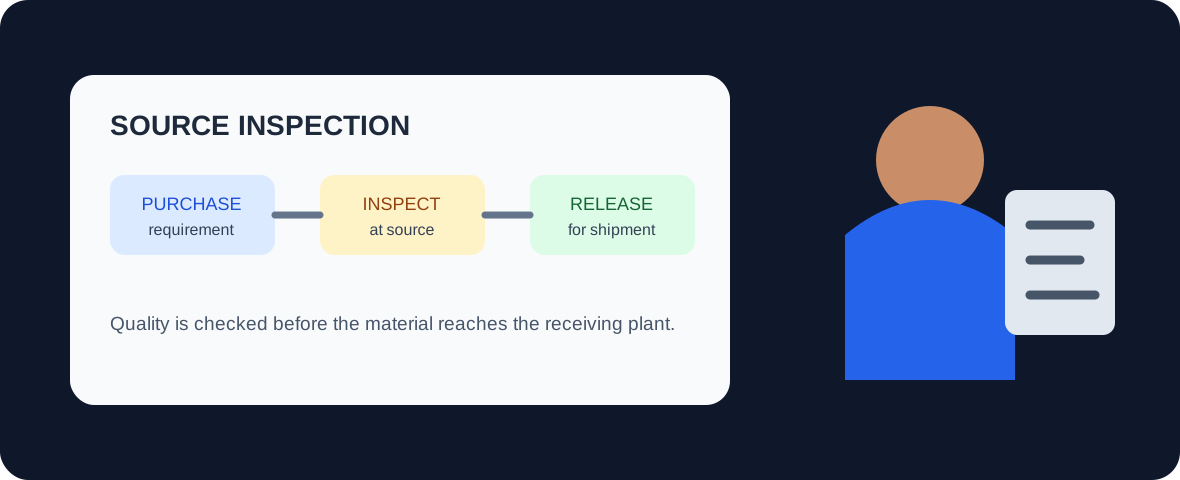
In SAP Quality Management, source inspection is an inspection carried out at the supplier before goods are delivered to the receiving plant. It is used when the customer wants quality evidence earlier in the procurement process. SAP can plan source inspections against purchasing requirements when the relevant quality information and inspection setup are maintained.
Why a business inspects at the source
Waiting until goods receipt to discover a serious defect can create avoidable freight, shortage and production disruption. Source inspection gives procurement and quality teams an earlier control point. It is especially useful for critical materials, new suppliers, high-cost shipments or situations where rejection after arrival would be disruptive.
How SAP knows a source inspection is required
SAP documentation identifies the quality info record for procurement as an important control point. The relevant source-inspection requirement and timing must be maintained, and the material also needs suitable inspection settings. The system can then identify open purchasing requirements that are due for source inspection before their expected receipt.
Source inspection is not the same as goods receipt inspection
A goods receipt inspection begins when the material arrives and the receipt is posted. Source inspection is earlier: it checks material while it is still at the supplier. A business can use the two controls differently depending on supplier confidence, risk and the procurement quality strategy.
What a consultant should think about
Do not treat source inspection as only a QM setting. Ask why the business needs an earlier inspection, who performs it, how much lead time is required, what evidence is expected, whether the supplier may record results, and what should happen if the source inspection is not completed or fails. The design must align quality controls with purchasing dates and receiving operations.
Key takeaway
Source inspection is valuable when quality risk should be addressed before shipment. SAP supports that business decision by connecting procurement information, inspection planning and quality results to the purchasing process.