
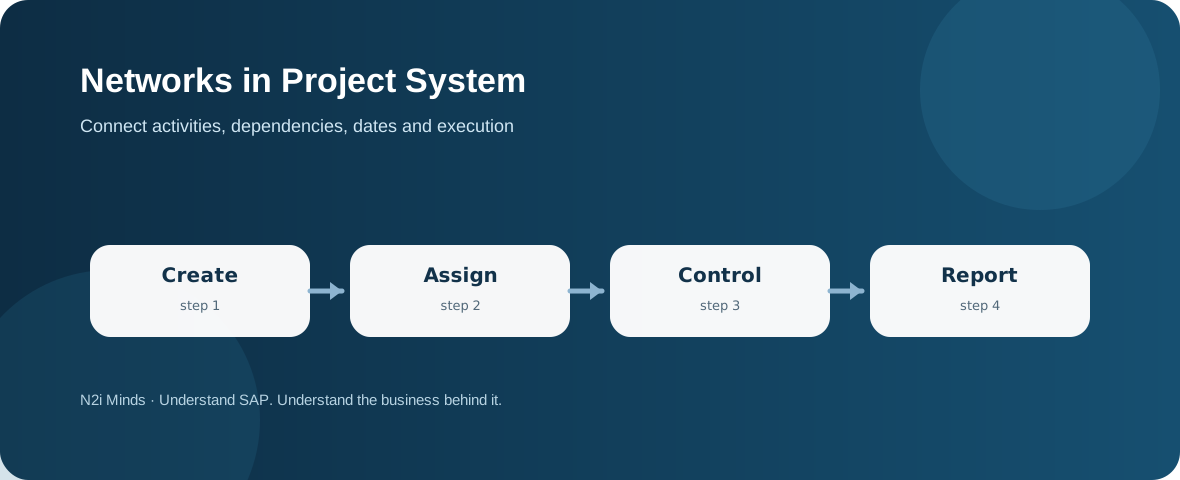
In SAP Project System, a network is an operative project object that organizes activities and the relationships between them. The network header carries common organizational and control data, while activities provide the detailed work that can be scheduled, costed, resourced and executed.
The network adds execution detail to the project structure
A work breakdown structure is useful for decomposing project scope and responsibility. A network adds process logic: which pieces of work must happen, which activities depend on others, how long they take and when they can start or finish. SAP documentation allows networks to be assigned to a work breakdown structure or, in specific scenarios, to a sales order.
The network header provides common defaults
The network header carries data that applies to the network as a whole, including organizational and control information. This gives the activities a consistent execution framework while still allowing activity-level detail where the work differs.
Activities are where the executable work lives
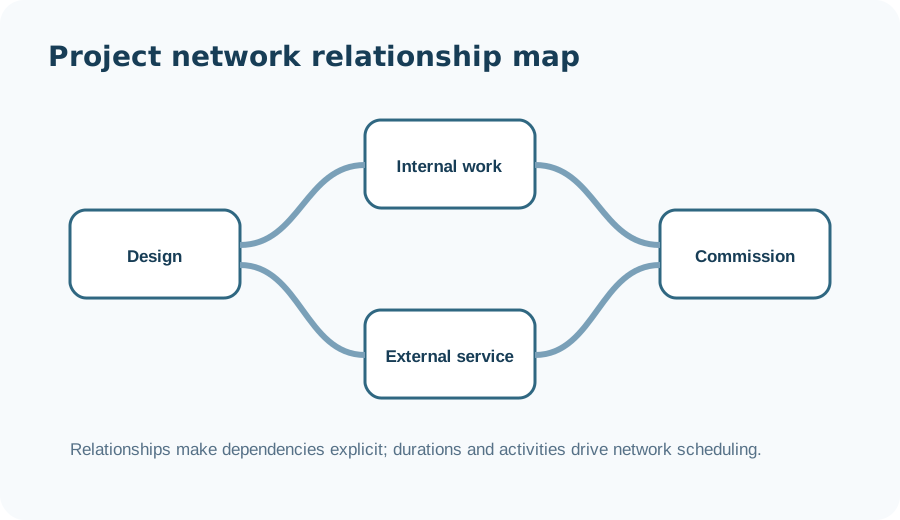
SAP Learning describes activities as the basis for planning and executing networks. Activities can represent internal work, external services and other project work categories. They can also carry assigned objects such as material components or milestones, depending on the scenario.
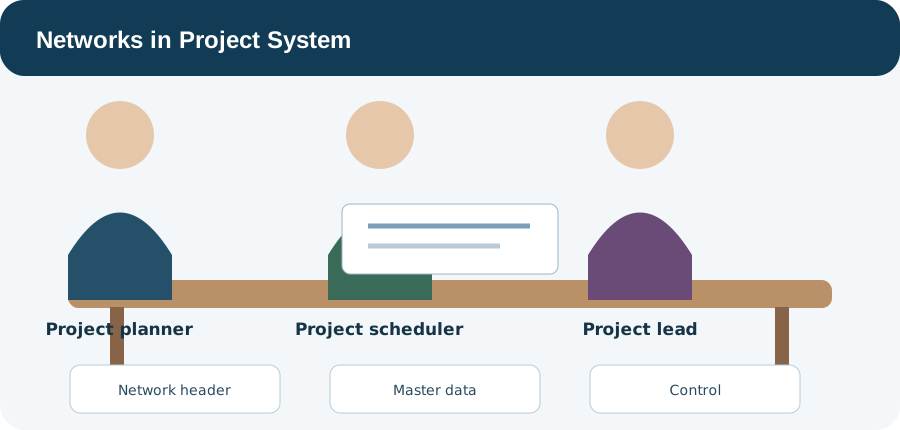
Relationships turn activities into a logical sequence
Relationships define how activities depend on one another. SAP Project System can use these dependencies together with activity durations to calculate schedule dates and float. This is why a network is more than a list of tasks: the connections between tasks are part of the planning model.
Scheduling reacts to activity and relationship changes
SAP Help explains that network scheduling calculates earliest and latest dates and can be triggered when networks are created, released or changed in scheduling-relevant ways. Consultants therefore need to understand whether unexpected dates come from activity duration, relationships, scheduling parameters or the network's surrounding project assumptions.
Consultant thinking: separate structure from scheduling logic
When a project network behaves unexpectedly, check three layers in order: whether the activity belongs to the right project or WBS context, whether its predecessor-successor relationships reflect the real business dependency, and whether duration, dates and resources are realistic. This separates structural issues from scheduling issues instead of treating the network as one opaque object.
Continue with Project Definition, Work Breakdown Structure, WBS Element Master Data, and the SAP PS / EPPM hub.