
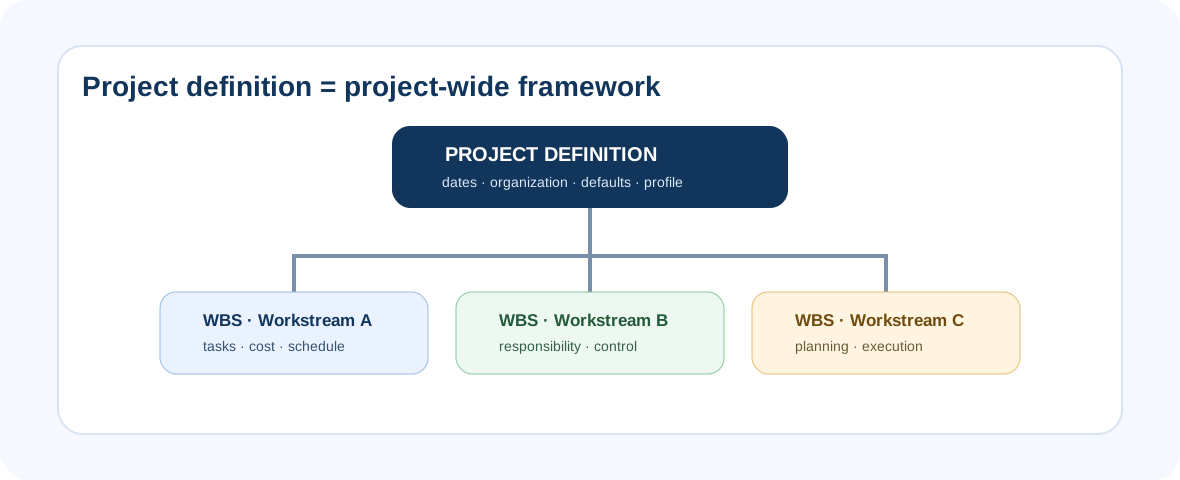
The project definition is the binding framework for the organizational elements of a project in SAP Project System. It contains general project information and can provide defaults that apply to the WBS elements created below it, while the WBS represents the actual hierarchy of project tasks and work packages.
The project definition is not the same thing as the WBS
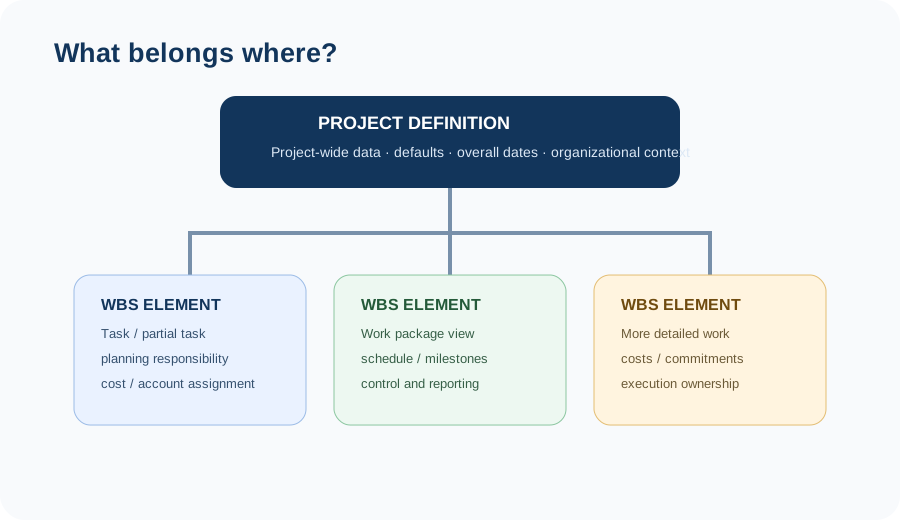
SAP distinguishes the project definition from the work breakdown structure. The project definition sits at the overall project level, while the WBS decomposes the project into hierarchical elements that represent tasks, partial tasks or work packages. That separation helps teams keep project-wide information in one place and task-level planning where it belongs.
What project-wide data belongs at the top
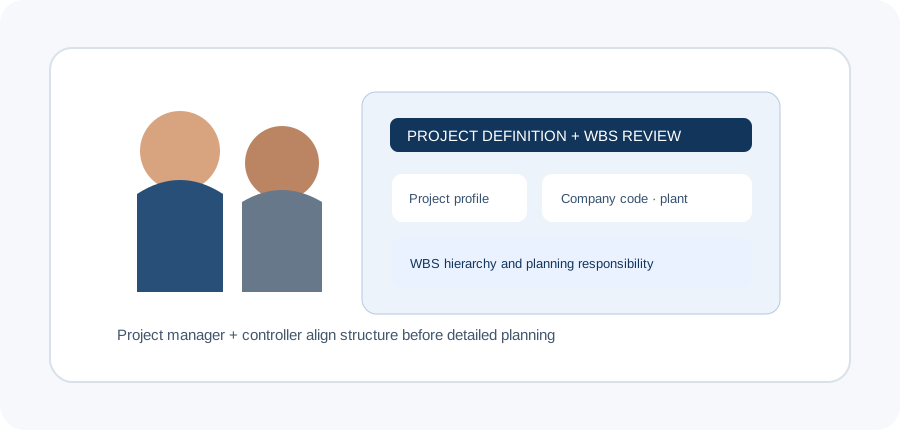
SAP documentation describes the project definition as the framework for the project and notes that it can carry defaults for newly created WBS elements. Standard project definitions can contain organizational data such as controlling area, business area, company code, plant and factory calendar. The exact fields used depend on the implementation, but the design principle is stable: information that governs the whole project should not be redundantly maintained on every child element.
Dates at project level are orientation, not detailed execution planning
SAP states that begin and end dates can be defined at project-definition level as non-binding dates. Detailed scheduling is handled through the project’s operative structures, including WBS elements and, where used, networks and activities. This distinction prevents a high-level project frame from being mistaken for a fully scheduled plan.
The WBS turns the framework into manageable work
A WBS organizes the work hierarchically and becomes the basis for planning, monitoring and control. Depending on design, WBS elements can carry planning, account-assignment or billing relevance and can become the objects against which costs, commitments, dates and responsibilities are managed.
Consultant thinking: structure for decisions, not decoration
A good project structure should help the business answer who owns the work, how costs are planned and captured, where schedule responsibility sits, and how management wants to report progress. If the hierarchy is created only to mirror an organization chart, it can become difficult to use for planning and control.
Continue with the SAP PS / EPPM hub and explore related project-delivery context in How SAP Project Estimates Are Created, How Implementation Scope Is Defined, and Consulting & ERP Projects.