
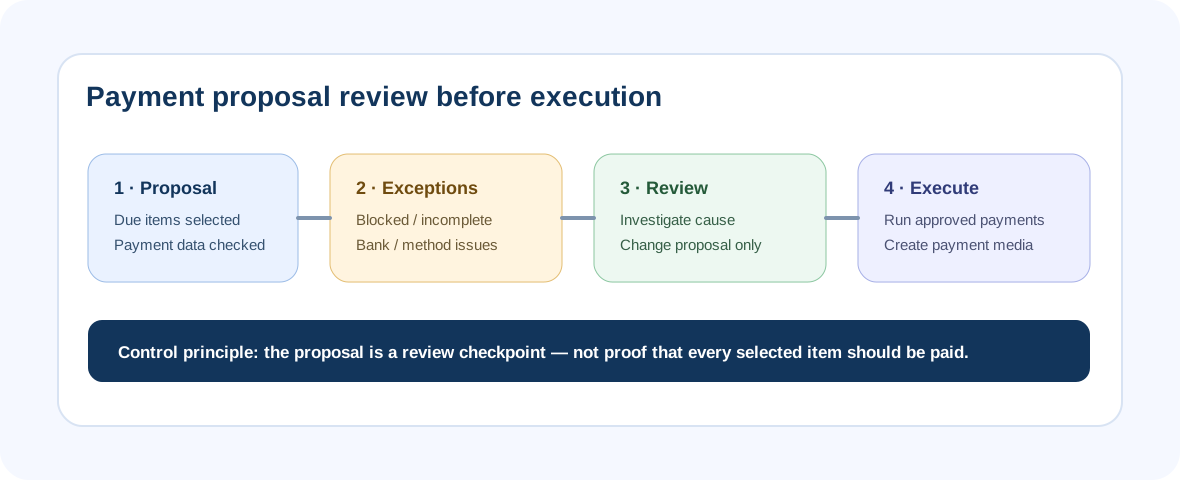
Payment run exceptions are items the automatic payment process cannot or should not pay as proposed because a rule, block, missing detail or conflicting condition needs attention. Proposal review is the controlled step where Accounts Payable examines those exceptions, validates any changes, and decides which payments are safe to execute.
Why the proposal is more than a preview
SAP’s automatic payment process can schedule a proposal before the payment run itself. The proposal identifies items that are due and checks whether required payment information is complete. That makes it a practical control point: teams can review the proposal list, inspect logs and separate payable items from exceptions before payment documents and payment media are created.
What typically creates an exception
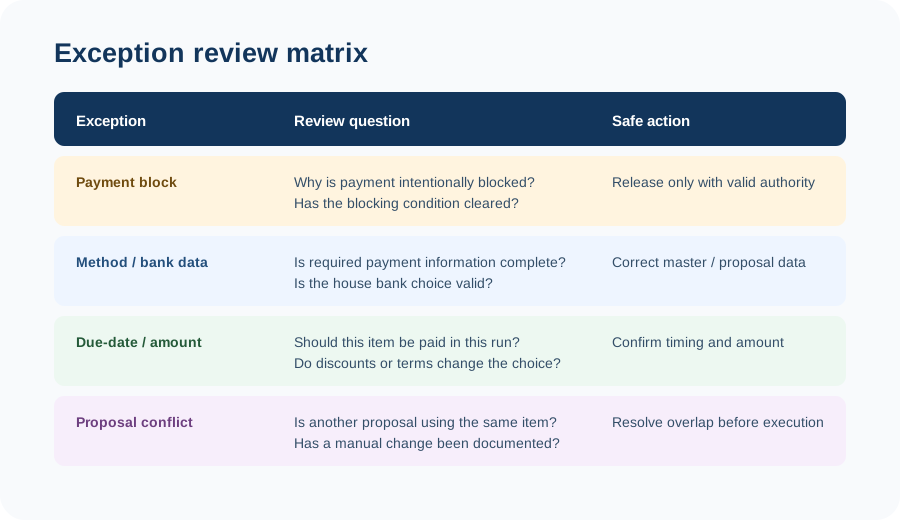
Common causes include payment blocks, incomplete or inconsistent payment-method information, house-bank or bank-detail issues, competing proposal activity, or business conditions that mean an otherwise due item should not yet be paid. The important question is not simply “Can the exception be removed?” but “Has the underlying reason been understood and legitimately resolved?”
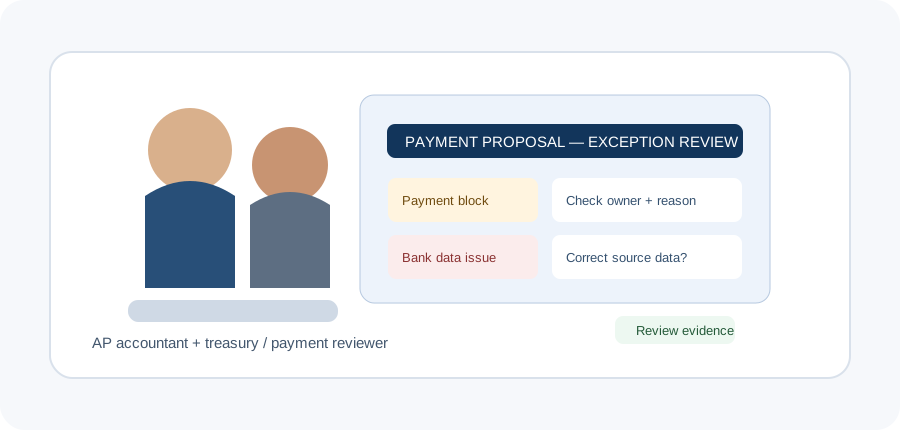
Editing the proposal does not rewrite the source document
In SAP S/4HANA on-premise documentation, payment proposal processing can be divided across clerks and changes can be tracked. SAP also states that edits made during proposal processing affect the proposal rather than changing the original source documents. That distinction matters: if the root cause belongs in supplier master data, an invoice or another source record, the durable correction should happen in the right place rather than being hidden in a one-off proposal adjustment.
Review the exception by cause, owner and evidence
A useful review asks three things. First, what rule or data condition created the exception? Second, who owns the decision or correction? Third, what evidence shows the condition is resolved? A payment block may require approval; a bank-data issue may require master-data correction; an unusual due-date result may require checking payment terms and baseline dates.
Consultant thinking: preserve the control objective
Automation should reduce repetitive payment work without removing accountability. Design the proposal review so that normal items flow efficiently while exceptions stay visible, material manual changes remain traceable, and the payment run is executed only after the required business checks are complete.
Continue with Automatic Payment Program, Payment Blocks and Release Controls, Payment Methods and Payment Media, House Banks and Bank Accounts, and the SAP FI / FICO hub.