
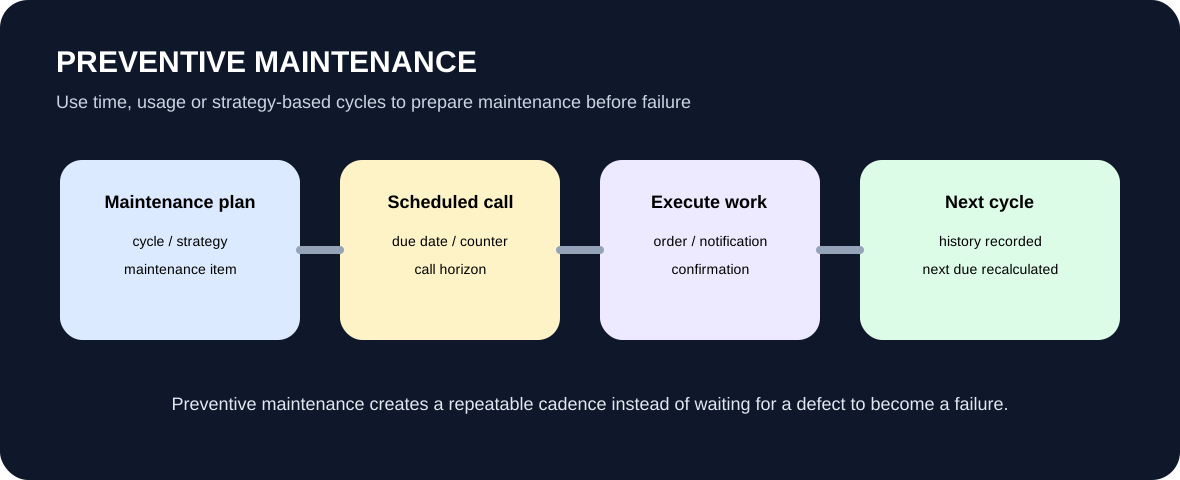
Preventive maintenance is planned work performed before a failure is expected. In SAP EAM / PM, maintenance plans can schedule recurring calls from time-based cycles, performance or counter readings, maintenance strategies, or multiple counters. Maintenance items define the technical objects and tasks covered, while the scheduling logic determines when the next call becomes due.
Preventive maintenance starts with a policy, not a date
The business first decides what should be maintained, why, and at what interval or usage threshold. A calendar-based inspection may occur every three months; a usage-based service may occur after a defined operating quantity; a maintenance strategy can combine packages with different frequencies. SAP maintenance plans represent those recurring rules so the organization does not rely on somebody remembering each due date manually.
Scheduling turns the rule into executable work
A plan needs more than a cycle. The maintenance item identifies the object and recurring work, and scheduling parameters influence when a maintenance call is generated. Depending on the plan and process design, a due call can create or reference a maintenance order or notification that planners and technicians use for preparation and execution. After completion, the history becomes part of the basis for the next cycle.
Time-based and performance-based plans solve different problems
Time-based cycles are useful when elapsed time drives the maintenance need. Performance-based plans are useful when actual usage matters more than calendar time and therefore depend on counter readings. Strategy and multiple-counter plans support more complex maintenance patterns. The right design follows the physical asset and business policy rather than forcing every object into the same cycle model.
Consultant checks
Confirm the technical object, maintenance item, cycle or strategy, counter where relevant, scheduling parameters, call object, task list or work content, responsible work center and completion behavior. Test both normal scheduling and edge cases such as a missed call, late confirmation, changed counter reading or rescheduling. Preventive maintenance is valuable only when its due dates remain operationally believable.
Continue with Measuring Points and Counters, Maintenance Plans, Corrective Maintenance, Breakdown Maintenance and the SAP EAM / PM hub.