
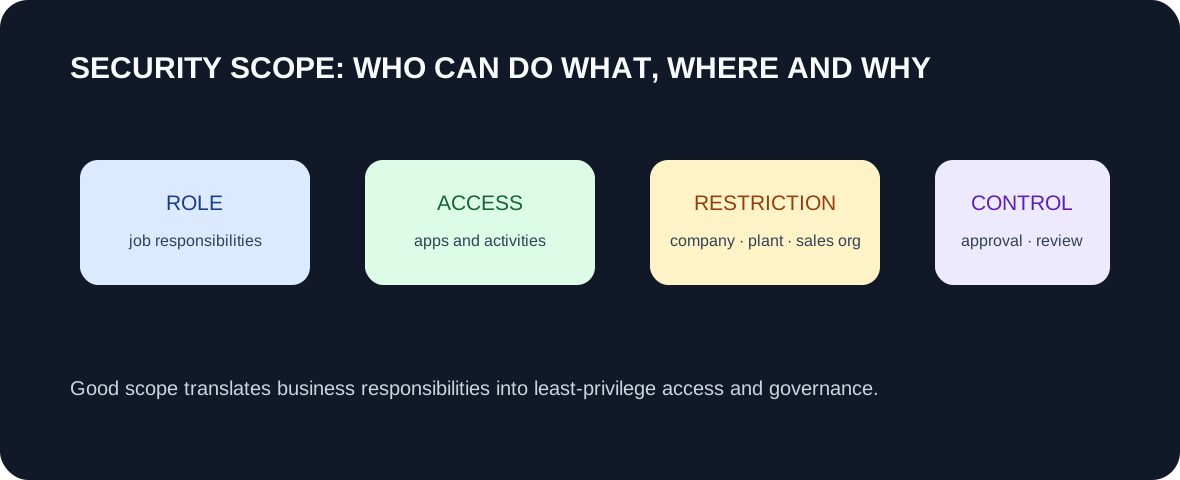
Define security scope by identifying business roles and responsibilities, the applications and activities each role needs, organizational restrictions such as company code or plant, segregation-of-duties concerns, approval and provisioning processes, emergency access, testing expectations and post-go-live ownership.
Begin with workplaces and responsibilities
A security design should answer who performs which business activities. SAP’s authorization guidance for S/4HANA Cloud recommends designing productive business roles around identified workplaces and refining access through restrictions. That means project teams should understand real responsibilities before they assemble technical permissions.
Least privilege is a scope principle
Security scope is not “give everyone what they had before.” SAP describes restrictions that limit access by organizational entities such as company code, plant or sales organization, supporting least privilege. The project should therefore define not only which app or action a role needs, but where that access is valid.
Include governance, not just role build
Access request, approval, provisioning, role ownership, periodic review and emergency-access handling are part of the operating model. If these processes are excluded, the implementation may technically create roles but still leave control gaps after go-live.
Testing belongs in security scope
Roles should be tested against positive and negative expectations: users can perform authorized work and cannot perform prohibited work. Testing should also consider organizational restrictions, cross-role combinations and the impact of multiple role assignments. SAP warns that combined roles can broaden effective restrictions, so the project should validate real assignment combinations.
Think like a consultant
Ask the process owner to explain why a role needs an activity, where it should be allowed and which conflicting responsibility must remain separate. If access cannot be justified in business terms, it should not enter the productive design by default.