
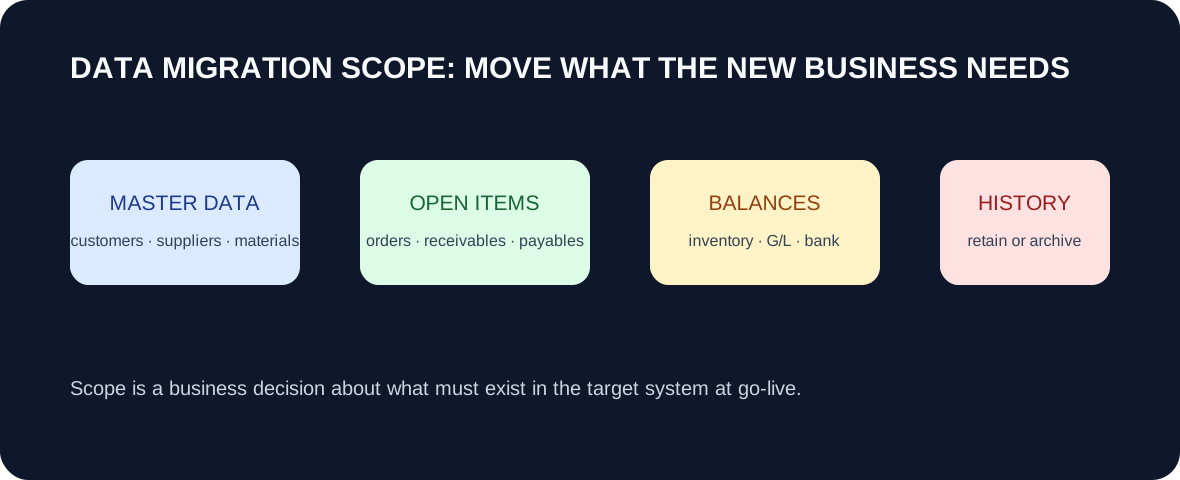
Define migration scope by identifying the target business processes, then deciding which master data, open transactions, balances and selected historical information must be available in the new environment. For every object, define source, owner, cleansing rules, mapping, transformation, reconciliation, test cycles and cutover timing.
Start from the target operating need
The right question is not “What data do we have?” but “What data must the new process have to operate correctly?” A customer may be needed because open receivables must be collected. A material may be needed because stock must be managed. An old closed order may not need to be recreated if the business can retain it in an archive or legacy reporting solution.
SAP documents the migration cockpit around migration objects. SAP also distinguishes the initial business data needed to start operations, including master data, open transactional data and balances. This makes scoping a business and cutover decision rather than a bulk-copy exercise.
Separate master data, open transactions and balances
These groups behave differently. Master data often needs cleansing and deduplication. Open documents may require cutover rules because they are still active. Balances need reconciliation to trusted totals. SAP notes that some open documents with follow-on document flows cannot simply be migrated, which is why source-system closure rules and cutover decisions matter.
Historical data needs its own decision
Teams frequently ask to migrate “all history.” That can add complexity without improving operations. Historical retention, statutory access and analytics requirements should be assessed separately from operational migration. The target system should not become an archive merely because no one made a retention decision.
Use test migrations to refine the scope
SAP’s migration process guidance describes creating migration projects in test systems and refining them through repeated test transfers before the production transfer. That iterative pattern helps expose mapping gaps, data-quality problems and unrealistic cutover assumptions while there is still time to correct them.
Think like a consultant
Challenge each proposed object with three questions: what business process needs it, who owns its correctness, and how will the project prove the target value is complete and reconciled? If those answers are missing, the object is not ready to be in scope.