
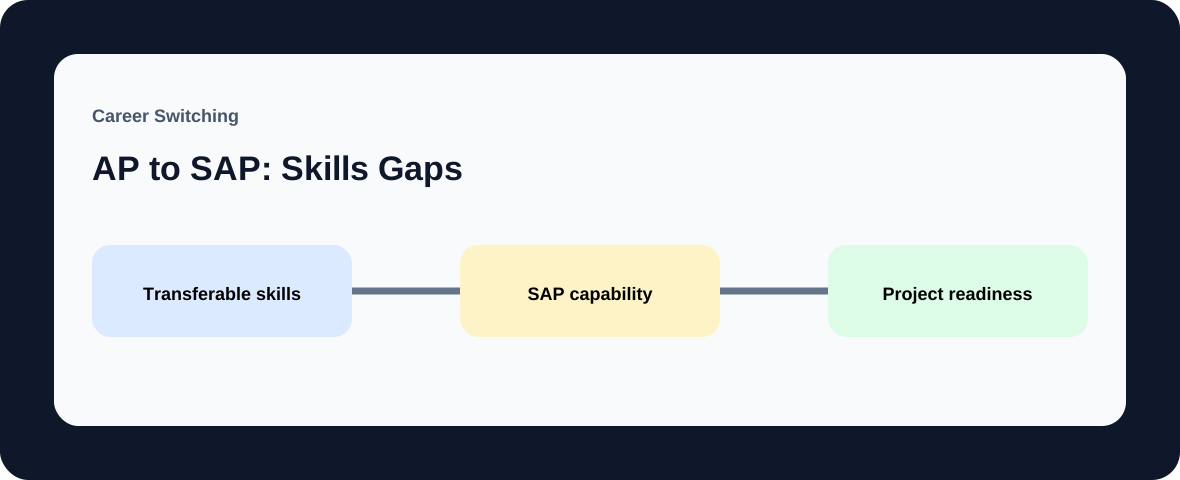
An accounts payable professional already understands invoices, suppliers, due dates, exceptions, approvals and payment risk. The main gaps to close for SAP work are system structure, end-to-end procure-to-pay integration, configuration concepts, testing discipline, master data, reporting, controls and the ability to explain requirements in implementation language.
Start with SAP representation of familiar work
Learn how supplier Business Partner data, company-code finance data, purchase orders, goods receipts, supplier invoices, open items, payment terms, blocks and payment runs relate. The aim is to connect business events you already know to the SAP objects and document flow that represent them.
Build integration depth
AP rarely operates alone. Supplier invoices may depend on purchasing and goods receipt; payments interact with banks and cash management; tax and withholding rules affect postings; and the general ledger must reconcile with the supplier subledger. Understanding these handoffs separates process knowledge from narrow transaction knowledge.
Add testing and project discipline
Practice writing business scenarios, expected results and defects. Learn to trace a requirement through configuration, master data, integration and reporting. Be able to explain why a test failed and which upstream or downstream process may be responsible.
What not to fake
Do not present training exercises as client implementation experience. A credible portfolio can instead show process maps, configuration rationale, test cases, controls analysis and clearly labelled learning scenarios.
Continue with Which AP Skills Transfer?, Best-Fit SAP Paths and the Careers & Career Switching hub.