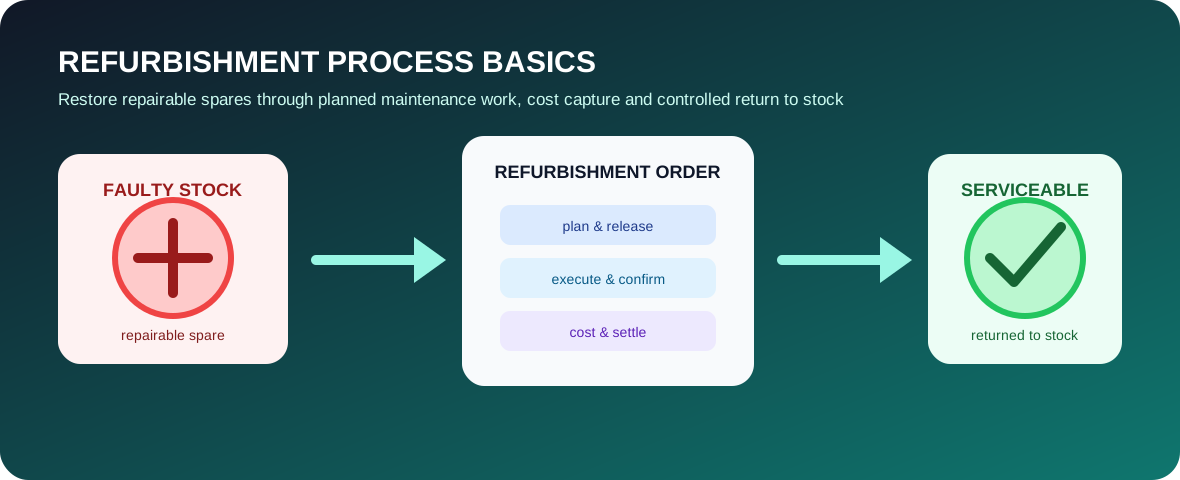
In SAP EAM, refurbishment is the controlled repair of a repairable spare part. A component in a damaged or otherwise non-serviceable condition is processed through a refurbishment order, repaired internally or with required services and materials, and then returned to a serviceable stock condition. The order provides a cost object and operational record for the repair.
Why companies refurbish spares
Many maintenance components are too valuable to discard after one failure. Motors, pumps, gearboxes, assemblies and similar repairable items may be restored and reused if the economics and technical condition justify it. A refurbishment process helps the business distinguish “not currently usable” from “worthless.”
SAP Help describes refurbishment orders as maintenance orders used to refurbish repairable spares and notes that the process changes the material's condition. This is important because inventory quantity alone is not enough: maintenance needs to know whether a spare is serviceable, damaged or in another defined valuation condition.
The business lifecycle
A typical lifecycle begins when a repairable component is removed from service and placed into the appropriate non-serviceable stock condition. Maintenance then plans the refurbishment work: what operations are needed, which replacement components or external services are required, and where the work will be performed.
The order is released and executed. Labor, materials and other costs can be captured against the order. When the repair is technically complete and the material is accepted as serviceable, the repaired quantity is received into the appropriate stock condition. The precise movement types, valuation types and settlement design depend on the organization's configuration and process.
Why split valuation matters
SAP documentation for refurbishment explains that split valuation can represent different conditions of a repairable spare. This lets the business manage one material with distinct valuation types for conditions such as damaged and refurbished rather than pretending every unit has the same economic state.
The exact valuation categories and names are configuration decisions. The design should reflect how the company values, stores and controls repairable components without creating unnecessary complexity.
What the refurbishment order controls
- Repair scope: operations define the work needed to restore the component.
- Resources: labor, materials, tools or external services can be planned and consumed.
- Cost: repair expenditure is collected on the order so the business can understand refurbishment economics.
- Status: order status gives operational visibility from planning through execution and completion.
- Inventory condition: goods movements connect maintenance execution with the spare's stock and valuation condition.
Refurbishment is not the same as repairing installed equipment
A normal maintenance order may repair an asset where it is installed. Refurbishment focuses on a repairable spare as material stock: the item is removed, its condition is controlled, it is repaired, and it returns to inventory for future use. That distinction affects planning, inventory movements and costing.
Later EAM topics such as equipment master, maintenance orders and spare-parts reservation add more context to how maintainable assets and stocked repairables interact. At the ecosystem level, quality notifications show a different kind of controlled follow-up when defects require structured investigation.
Consultant thinking: design the condition model first
Before discussing transaction steps, clarify the business states: What makes a spare serviceable? Where is a failed unit stored? Who authorizes repair? How is repair cost evaluated against replacement? What evidence is needed before the unit can return to stock? Those answers make the SAP process easier to design.
Key takeaway
Refurbishment turns a failed but recoverable spare into a controlled maintenance-and-inventory process. The order manages repair work and cost, while stock condition and valuation logic make clear whether the component is damaged, under repair or ready for reuse.