
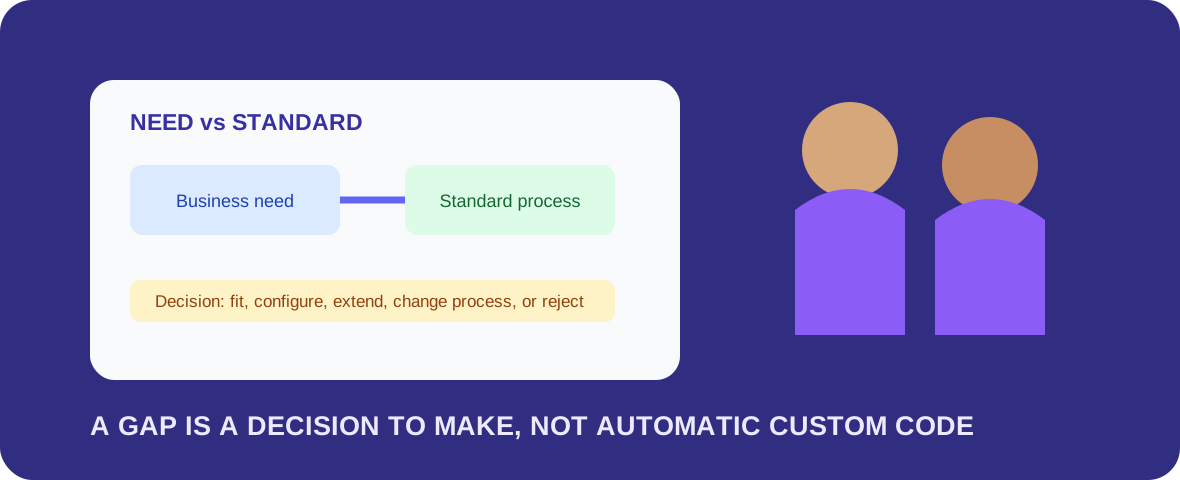
Fit-gap analysis compares a required business outcome with the standard solution. A fit means the requirement can be met through standard process and supported configuration. A gap means something material is not satisfied and needs a decision: adjust the business process, configure differently, use approved extensibility, integrate another capability, or reject/defer the requirement.
The word “gap” is not a technical design
A gap describes a mismatch, not the solution. SAP Learning material on Fit-to-Standard and Fit-Gap work emphasizes reviewing predefined standard processes against customer needs and capturing requirements where alignment is missing. The project still has to decide whether the gap is legally required, competitively important, operationally justified, or simply a legacy preference.
A practical classification
Start by asking whether standard already meets the need. If not, determine whether the difference can be handled with configuration, a permitted extension, integration, or a business-process change. Then assess cost, risk, upgrade impact, testing effort and ownership. This prevents a small delta from silently becoming a large custom solution.
What a good gap record contains
Record the business outcome, current standard behavior, evidence of the mismatch, affected users or controls, proposed resolution options, owner, priority and decision status. If a requirement is approved, connect it to the relevant process and backlog item so traceability survives into build and test.
How this differs from fit-to-standard
Fit-to-standard is the workshop-led approach of validating standard processes first. Fit-gap analysis is the decision discipline applied to the differences uncovered. Process workshops may contain both activities, but the outputs should remain clear. Related reading: process design workshops and implementation scope.